
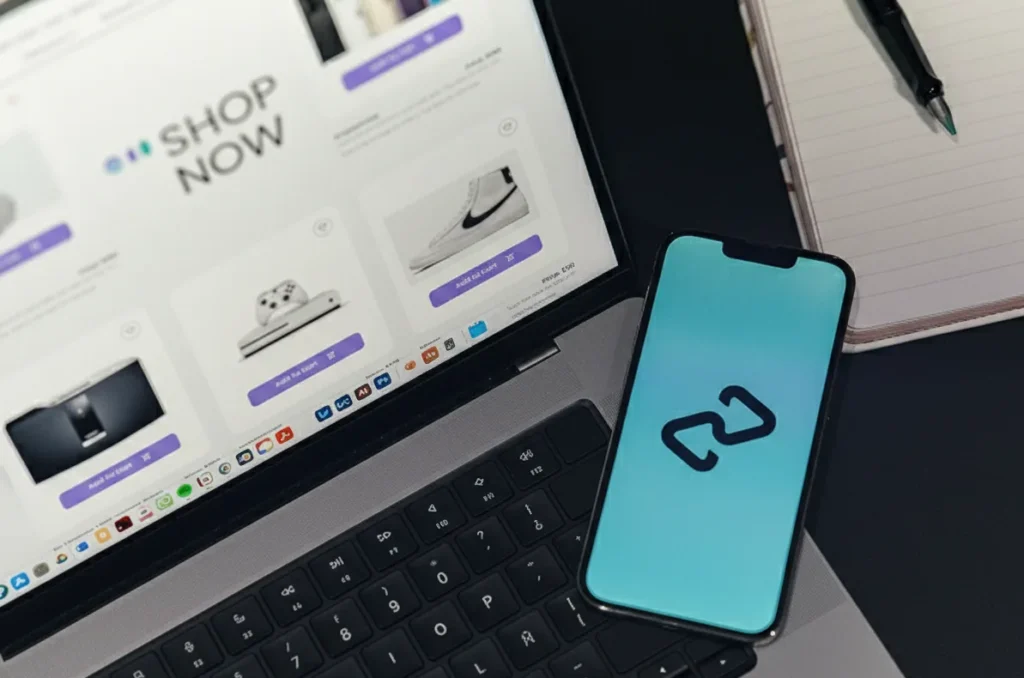
By 2026, mobile devices will not simply dominate internet usage. They will define how brands are discovered, evaluated, and trusted. A website’s success will no longer be judged by how it looks on a large screen, but by how effortlessly it works on a phone. For most users, website visits happen in short, high-intent moments. If the mobile experience feels slow, cluttered, or confusing, attention is lost instantly. Mobile Responsiveness is no longer a design upgrade. It has become a measurable driver of visibility, credibility, and lead generation.

Mobile Browsing Is Now the Primary Way Users Evaluate Brands
Today’s customers use mobile devices to research services, compare providers, read reviews, and shortlist brands. Desktop browsing now plays a secondary role in the decision-making process. When a website forces users to zoom in, scroll excessively, or search for information, it creates friction. A mobile responsive website removes that friction by adapting layout, content hierarchy, and interaction flow to the device in hand. This improves comprehension and keeps users engaged long enough to understand the brand’s value. For service-based businesses, this is often the difference between being contacted or ignored.

How Mobile Experience Directly Influences Google Rankings
Google’s ranking systems are now built around mobile performance. Since most searches occur on phones, Google evaluates how a website performs on mobile devices before considering its desktop experience. Poor mobile usability leads to higher bounce rates and lower engagement, both of which weaken organic visibility over time. A mobile responsive website supports readability, smooth navigation, and faster loading, sending positive quality signals to search engines. In 2026, sustainable rankings will depend less on keyword density and more on real user behaviour on mobile screens.
Why First-Time Mobile Visitors Decide Trust in Seconds
Trust is not built through claims or slogans. It is built through experience. When a website loads cleanly, displays clearly, and feels easy to use on mobile, users associate that experience with professionalism and reliability. Clear headings, readable text, accessible buttons, and visible contact options reduce hesitation and encourage action. A poor mobile experience, even for a few seconds, can raise doubt before the user reads a single line of content.
Mobile Page Speed: The Difference Between Engagement and Exit
Mobile users expect speed because they are often multitasking or browsing in short windows of time. Even minor delays can break attention. Responsive websites are designed with performance in mind. Optimised layouts, simplified structures, and efficient loading ensure users stay engaged instead of abandoning the page. In competitive markets, speed is no longer a technical detail. It is a direct contributor to enquiry rates and conversions.
Why Paid and Organic Campaigns Depend on Mobile-Ready Pages
Most digital marketing traffic today lands on websites through mobile devices. Search ads, social media campaigns, and email promotions are primarily consumed on phones. If a campaign drives traffic to a page that is difficult to use on mobile, performance drops regardless of targeting or creative quality. A mobile responsive landing experience ensures that interest can quickly turn into action, protecting marketing investment and improving lead quality.
Mobile-First Website Planning for Search, Voice, and AI Discovery
Mobile-first planning goes beyond screen size. It prepares websites for how information will be discovered and summarised in the future. Voice search, AI-generated answers, and smart devices rely on clear structure, logical content flow, and readable layouts. Websites built with mobile-first thinking are easier to scale, easier to optimise, and better positioned for evolving search behaviour. A responsive foundation reduces the need for repeated redesigns as technology changes.
The Business Risk of Ignoring Mobile Responsiveness
Customers make decisions quickly. If a website feels outdated or difficult to use on mobile, users move on without hesitation. A mobile responsive website signals attention to detail and respect for user time. Businesses that delay adapting risk losing trust before conversations even begin. In competitive industries, this often results in lost opportunities rather than visible complaints.
How Quadcubes Approaches Mobile-Driven Website Growth
At Quadcubes, mobile responsiveness is treated as a strategic foundation, not a design checkbox. Website planning starts with real user behaviour and decision patterns across devices. By combining performance optimisation, clear structure, and usability-focused design, Quadcubes helps businesses turn website visits into meaningful enquiries. The focus is not just on building websites, but on creating digital platforms that support long-term growth.
FAQs
What does mobile responsive mean?
It means a website adjusts automatically to different screen sizes, giving users a smooth experience on mobile, tablet, and desktop.
Why is mobile friendliness important for businesses?
Because most users browse and search on mobile phones. A bad mobile experience can cause customers to leave.
Does mobile optimisation affect SEO?
Yes. Google checks the mobile version of a website first, so mobile optimisation plays a major role in rankings.
Can a mobile-friendly website increase leads?
Yes. Easy navigation, fast loading, and clear content help users take action faster.
How can Quadcubes help?
Quadcubes designs and optimises websites that work smoothly on mobile devices and support business growth.
Final Perspective: Mobile Responsiveness as a Lead Generation Asset
In 2026, mobile responsiveness will determine whether a website supports growth or quietly holds it back. Users expect speed, clarity, and ease on their phones, and search engines reward websites that consistently deliver those qualities. For businesses looking to improve visibility, trust, and enquiries, mobile responsiveness is the foundation on which effective digital marketing is built.